HANDBOOK 2026
A Builder's Guide toRWA Tokenisation
in India
A map of every asset class, from live pilots to open ground.
Key Insights
India has the rails and the demand.
What it lacks is builders who know how to use them. The foundation is in place: public rails such as the digital rupee, the Unified Markets Interface, the lending stack and the Energy Stack, large retail demand, and engaged regulators. What’s unsettled is who builds on them and how fast.
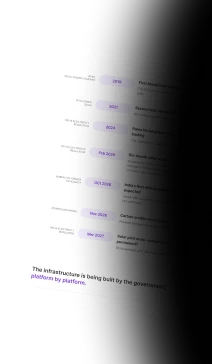
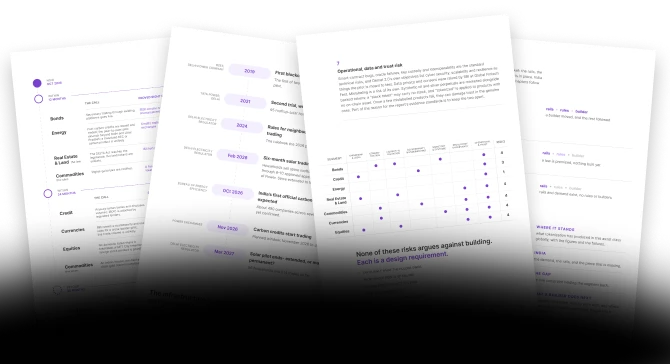
The seven segments fall into two kinds.
Where the state moved first, as in bonds, energy and, in intent, land, a builder’s job is to fit into infrastructure that already exists. In credit, an operator moved first. In commodities, currencies and equities, nobody has, so a builder has to go first.
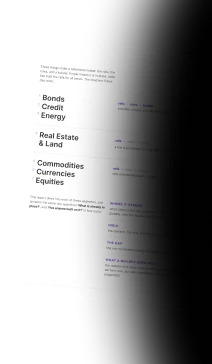
Bonds are first and furthest along.
Gold and credit follow through pilots and consortia. Currencies depend on central banks. Equities and land come last, because each needs a legal change. The next 12 to 24 months carry the signals.
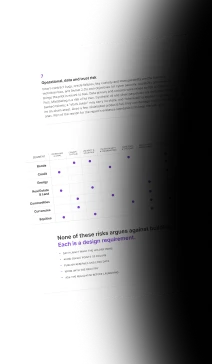
The next phase will be decided by evidence.
The technology has been demonstrated. What nobody has yet shown is measured benefit, such as faster settlement, lower cost, tighter pricing or deeper liquidity. The pilots and builders who publish credible results, including unflattering ones, will separate durable models from hype.